
Creating an effective classroom environment for special needs students goes beyond traditional layouts. For children with sensory sensitivities, mobility challenges or cognitive differences, the right design can make a significant impact on their comfort, focus, and overall learning experience. A well-designed classroom that promotes inclusive learning ensures that every student feels supported, included and able to thrive.
As an educator, having the right knowledge, inspiration, and furniture to hand can make all the difference when it comes to designing an inclusive classroom, so let’s dive in!
Prioritise Adaptive and Flexible Furniture
All children learn differently, and special needs students often require adaptive seating and workspaces that cater to their specific needs. Adjustable-height desks and tables allow for customisable learning experiences, ideal for students in wheelchairs, with mobility issues or those who need to be able to move around more freely can be accommodated for. Learning should be freeing for students, and flexible furniture is a key part of this!
Study carrels can also provide privacy for students who benefit from quiet time or extra-focused learning without disruptions. Other students who benefit from movement while learning will thrive with wobble stools or swivel chairs
, which provide gentle motion to improve focus and reduce restlessness.
For students who work well collaboratively, group learning zones created with items like adjustable horseshoe tables can be the perfect solution for both learning styles and students who use wheelchairs.
Provide a Sensory-Friendly Environment
For some students, sensory sensitivities can be challenging in many classrooms, as they lead to distractions and even discomfort. In order to accommodate students with sensory sensitivities, consider the following elements.
- Utilise calming and soft colours - avoid bright, contrasting colours that could seem overwhelming.
- Ensure there are quiet areas available - provide breakout spaces with soft seating for students who need to take a break from a busy classroom.
- Incorporate sound-absorbing materials - reduction of noise levels can be very helpful for students with sensory sensitivities.
Ensure Accessibility for All Students
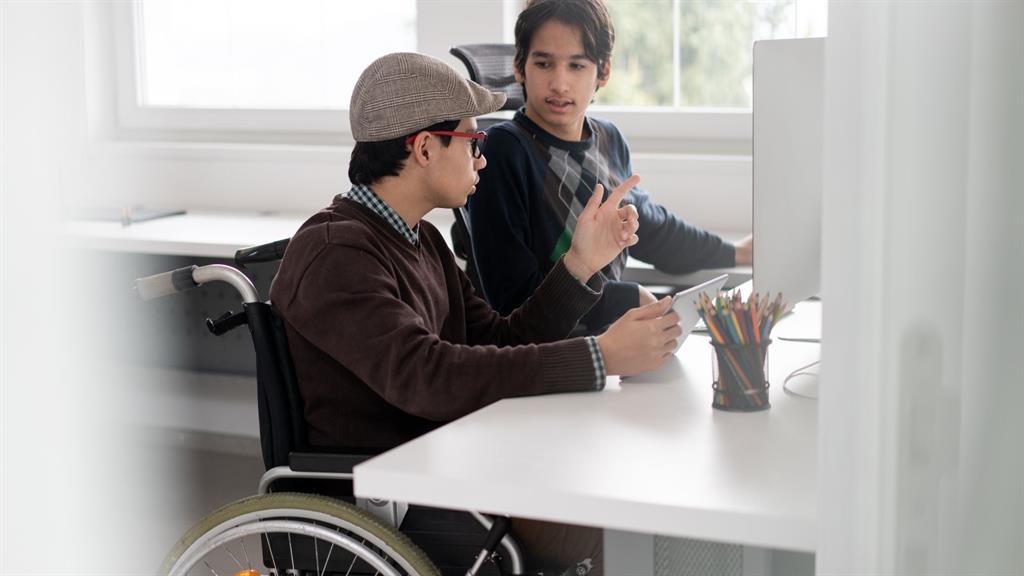
For a classroom to be truly inclusive, it must be accessible to students with mobility challenges. This begins at the doorway and the very construction of the room, which must be adequate to allow free movement of wheelchairs and other equipment.
In addition, furniture should be taken into consideration. Desks should be large enough that students who require assistive equipment can access them.
Classroom storage solutions and bookshelves should also be low-level and easy to reach.
A well-designed special needs classroom is more than just a space—it’s a tool for student success. By incorporating adaptive seating, sensory-friendly design, and accessible furniture, educators can create an environment where every student feels comfortable, engaged, and ready to learn. Our range of products includes a large number of furniture items that are ideal for special needs classrooms. If you need any help choosing items, our team is on hand to help - just reach out to us.